Night 18 of 31 Nights of Horror
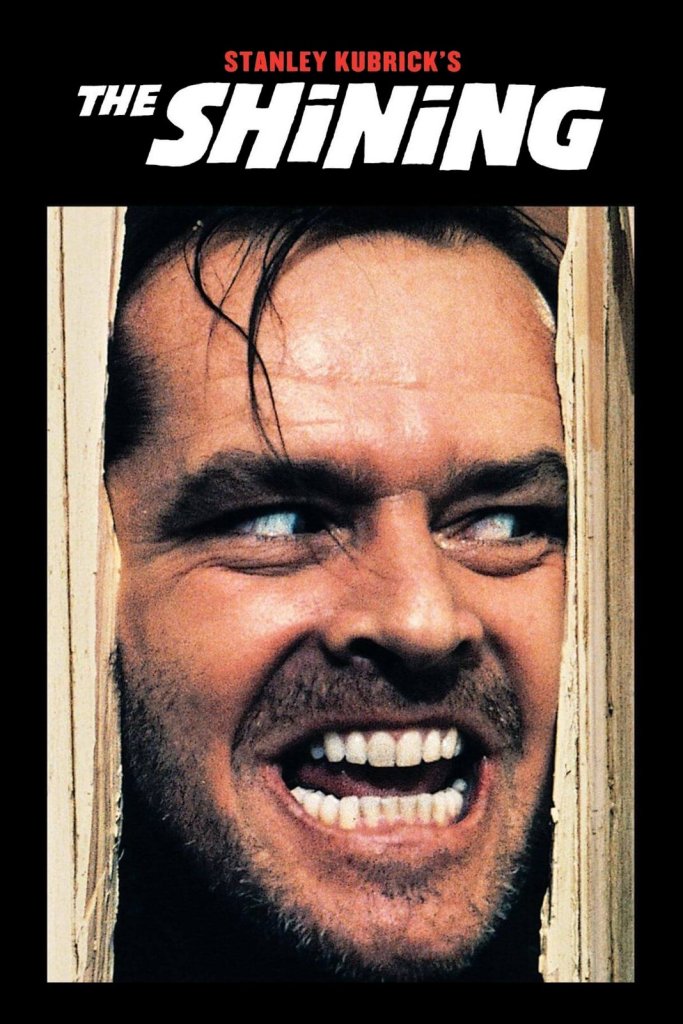
I mean… It’s The Shining. Not a lot for me to add that hasn’t already been said many times about this film. In the forty years since it’s release, there have been countless articles and interviews related to it, research papers, essays, probably a few doctoral thesis as well, not to mention all the books about Stanley Kubrick that have been published. As a lifelong Stephen King fan, and someone who started reading his books at an age modern parents would probably find shocking, I’m going to give my impressions about the movie from that angle.
When people compile lists of favorite horror movies, or even greatest films of all time, The Shining is always there, so it was fascinating to me that when I opened the Wiki page for this movie, I saw that that was not the case when it was first released. Reaction wasn’t just mixed, Kubrick and Duvall received nominations at the very first Golden Raspberry awards for this production. I think both were undeserved.
Remember back when I reviewed Sleepaway Camp 2 and I wrote how important music and sound was to the feel of a movie? This is the absolute perfect example of what I meant. From the very first scene when the movie opens, the musical score by Wendy Carlos and Rachel Elkind sets the tone. It is ominous and foreboding, despite the beautiful scenery of a mountain road winding through Montana (not Colorado as we are meant to believe) the audio cues fill us with a sense of dread, setting your expectations for the next two hours.
Google’s AI tells me there are over 77 books about Stanley Kubrick out there. AI lies a lot, but in this case, it’s probably not far from the truth, so if you want more in depth opinions on him as a person and as a filmmaker, you have plenty of options, but my opinion as someone who is going just by surface observations, is that if you take my complaints about the other 17 movies I’ve reviewed this month and fix them, you’ll wind up with a Kubrick film.
The soundscape, the imagery, the beautiful shots done with the newly available Steadicam, the natural dialogue and realistic character behaviours. It all just works. So why didn’t Stephen King like this version of his work? You’d have to ask him for the definitive answer, and I suspect as the years have passed, his stance has probably mellowed some, but I think it came from his inability differentiate between what works on paper and what works on screen. The thing I’ve always loved about King’s works is his ability to create characters you care deeply about. He then does horrible, horrible things to them which puts the reader through an emotional wringer. Part of what makes the people in his stories unique and endearing are the mannerisms and ways of speaking he creates for them (Laws yes!), but many times when you put them on screen, and have the words come out of a real humans mouth, they just sound odd and unnatural.
Books, because everything takes place in the imagination of the reader, also have the ability to compress or stretch time in a way we don’t notice while reading. This is very apparent in the 1991 TV mini-series version of this book that Stephen King himself wrote and produced. There is a scene where Danny is being chased by his father, they stop, have a conversation, and then the chase starts up again. That works in the pages of a book, but comes off as jarring and unrealistic when played out in real time for a viewer. Some things just don’t translate well from paper to film and some things need to be cut for time. As cool as the topiaries were in the book (they freaked me out and I’m sure were Steven Moffat’s inspiration for the Weeping Angels) they don’t add anything to the story or characters in an already 144 minute film.
One change the celebrated horror author and I both didn’t like *SPOILER ALERT* was the killing of Hallorann. In the book, he’s the one that rescues Danny and Wendy, he does too, indirectly, in the film, but they spend a good amount of time showing him being contacted by Danny, trying to reach Wendy by phone, calling the police, flying to Colorado, renting the Snow Cat, driving to the hotel, only to get killed as soon as he arrives? With no impact on the story except to deliver a car? The movie was already pretty long, it could have been trimmed and tightened if the getaway vehicle had simply been provided by a nameless sheriff’s deputy sent to check on the family when they became unreachable by radio. There was no need for Dick to die, unless Kubrick was trying to subvert our expectations, or simply for shock value after all the buildup of him coming to the rescue. I don’t know, but it’s the only thing I didn’t love about the movie.
Still a great film experience. Still holds up well, and a re-watch has put me in the mood to watch Doctor Sleep, the sequel I have never seen or read, but it’s not an old movie and doesn’t fit with this months challenge so I won’t be writing a review on it… yet.
 Late to the party, as usual